

Begin Calm: Establishing a Morning Routine for Steady Focus

In the first hour after waking, your cortisol naturally rises to help you feel alert. Gentle light exposure and a consistent wake time stabilize that wave, reducing jitters. Step onto a balcony, open a window, and breathe slowly as daylight guides your rhythm into calm.

The Psychology of a Calm Morning

Designing Your First Thirty Minutes

Start With Breath and Body

Sit at the edge of the bed, feet grounded, and take six slow breaths. On each exhale, soften your shoulders and jaw. Follow with a gentle neck roll and a long stretch. This brief pause signals safety, easing your nervous system into a calmer baseline.

Light, Water, and a Short Walk

Open the curtains and drink a full glass of water. If possible, step outside for a ten minute walk to let natural light synchronize your internal clock. Movement plus brightness boosts alertness without agitation, especially when paired with unhurried, rhythmic breathing.

Frictionless Setup the Night Before

Lay out clothes, set your journal with a pen, and pre-fill the kettle. Reduce all morning obstacles so calm becomes the default, not the exception. Snap a photo of your setup, tag your progress, and subscribe for a printable evening checklist that makes mornings easier.

Mindful Coffee or Tea Ritual

Listen to the kettle, watch steam curl, and inhale the aroma before your first sip. Cradle the cup and notice its warmth in your hands. Let your breath match the rising steam. This simple mindfulness practice places your attention where calm naturally grows.

Journaling That Centers the Mind

Write three gratitudes, three priorities, and three worries. Then add one line about the smallest calming step you can take today. The structure is fast and soothing. Try it for five days and report back with what changed in your mood and focus.

Movement That Grounds Without Rush

Circle ankles and wrists, roll the neck slowly, and open the hips with a gentle lunge. Add a thoracic twist while exhaling. The goal is warmth, not sweat. Consistency beats intensity for calm. Post your favorite move and tell us how it changes your morning mood.

Movement That Grounds Without Rush

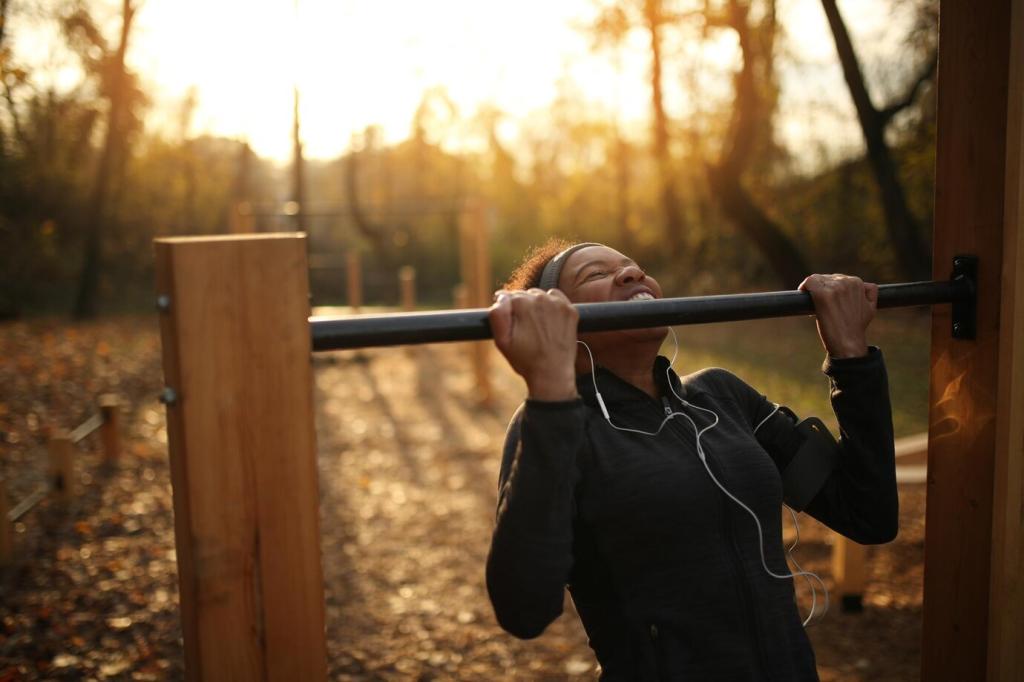
Pair movement with breath: inhale to lengthen, exhale to soften. Four counts in, six counts out cues parasympathetic calm. Even three rounds create a noticeable shift. Practice beside a window for natural light and share your tempo so others can try it.

Digital Boundaries at Dawn

Choose a single allowed device or app for the first thirty minutes, or none at all. Use an analog alarm and charge your phone outside the bedroom. Fewer inputs mean steadier focus. Tell us your chosen boundary and invite a friend to try it alongside you.

Adapting Calm to Busy or Unpredictable Days

Two slow breaths while standing, one glass of water, one intention on paper, and one minute of gentle stretches. This micro sequence preserves calm when time is tight. Use it as your safety net and tell us where it fits best in your mornings.

Adapting Calm to Busy or Unpredictable Days

Pack earplugs, a small journal, and a travel mug. Open the curtains upon waking, sit by a window, and practice three rounds of slow breathing before emails. Consistent cues beat perfect conditions. Share your favorite hotel trick so travelers can keep calm on the road.
Inmygolfbag
Privacy Overview

This website uses cookies so that we can provide you with the best user experience possible. Cookie information is stored in your browser and performs functions such as recognising you when you return to our website and helping our team to understand which sections of the website you find most interesting and useful.